Man With Van in Bow

Man With Van Bow provides a practical removal service for household and business moves that need careful loading, sensible planning and straightforward transport. The work can suit single items, compact flats, shared homes, small offices and deliveries that need more room than a car but less than a full-scale lorry service. Our approach is built around safe handling, good organisation and a clear scope so customers know how the job will be carried out.
We cover man with van removals for moves that benefit from a flexible vehicle and hands-on loading support. That can include furniture, boxes, white goods, office chairs, archive cartons and awkward items that need to be protected in transit. If you are comparing options, start with the main service on this page, then use the rest of the site to judge how the work is organised and what level of support suits your move.
For a tailored move plan, send over the key details and request a quotation. If you already know the type of move you need, you can use that to narrow the most suitable service and decide whether packing help, furniture handling or a simple transport-only arrangement is the better fit.
House Moves and Everyday Removals
Household removals are often about combining care with efficiency, especially when access is tight or there are several items that must be moved in the right order. Our home moves service is designed for domestic relocations where the load needs to be organised room by room rather than thrown into the vehicle without a plan. That matters when you want to protect surfaces, keep boxes grouped sensibly and make the unloading stage easier.
For customers moving from a flat, maisonette or house share, the distinction between a general move and a more focused house movers service can be useful. A move may involve a handful of large items or a fuller household load, but the same principles apply: measure the larger pieces, think about how they will be carried, and keep essential items separate so they are easy to find when you arrive. House removals can also suit larger family moves when furniture and boxed belongings need to travel together.
When the job needs a vehicle and loading support rather than a full team, the broader man and van option can be a sensible choice. It works well for people who want the flexibility of a smaller removal setup with enough capacity for furniture, appliances and well-packed cartons. A clear list of items, floor level and access at each end will make it easier to match the van to the work.
How the Service Is Organised

Good removals depend on order as much as transport. We focus on loading the van so heavier pieces sit securely, delicate items are positioned safely and the available space is used properly. That may sound simple, but it is what helps reduce shifting in transit and keeps the move manageable when there are several stops, narrow entrances or mixed item sizes. The service can be adapted for local movements, longer transfers and one-off collections.
If you are deciding how much support you need, it helps to separate the move into tasks. Packing, carrying, vehicle loading, transport and unloading are not always required in the same combination. Some customers only need a van and lifting help, while others want extra assistance with wrapping, boxing or dismantling selected furniture. Choosing the right balance early keeps the move efficient and avoids paying for work you do not need.
Useful planning details include the number of rooms involved, any large furniture that needs two-person carrying, parking restrictions, lift access and whether there are shared hallways or tight staircases. These points help determine the time needed for loading and the most suitable vehicle size. They also make it easier to plan the sequence of items so essential pieces are not buried under lighter boxes or mixed with furniture that should be handled separately.
Commercial Moves and Office Transport
Business moves require a slightly different approach because the load often contains furniture, equipment, documents and items that should remain in order. Our commercial moves service is suitable for businesses relocating desks, storage units, chairs, displays or boxed stock. Careful labelling and a sensible loading pattern are especially useful when several departments, rooms or workstations are involved.
For smaller workplaces, office relocation services can help when the main priority is moving items without disrupting the day more than necessary. Office furniture often has a mix of bulky and fragile components, including monitors, file storage and accessories. A planned sequence makes unloading more manageable and reduces the chance that essential equipment ends up buried behind less urgent items at the destination.
The broader office removals page covers transport for desks, chairs and office contents that need to be moved with care. Businesses often benefit from grouping items by room or function before the vehicle arrives, because that can speed up both loading and re-setup. If you have archive boxes, IT equipment or reception furniture, it is worth noting those separately so they can be handled in a way that suits the load.
Packing, Unpacking and Preparing the Load

Some moves are straightforward transport jobs, while others need extra help before the van can be loaded. Our packing and unpacking services are useful where fragile items, mixed household contents or time-sensitive moves call for a more organised approach. Packing is not just about boxes; it is also about making sure items are grouped sensibly, cushioned properly and labelled in a way that helps unloading later.
When preparing for a move, keep a short list of the most useful steps: separate valuables, empty fragile items from shelves, secure loose parts, and note anything that needs special handling. It is also sensible to leave a clear route from the property to the vehicle. Those small preparations make the work smoother and help the move begin with fewer delays. Good preparation does not need to be complicated; it just needs to be consistent.
If you need help deciding whether packing support is worthwhile, think about the fragility of the items and how much time you have before moving day. A move with books, crockery, framed pictures or mixed office contents can benefit from a more structured approach, while a simple collection of already packed boxes may only need loading and transport. Use that difference to choose the level of service that fits the job.
Items, Furniture and Specialist Handling
Furniture moves often create the most practical questions because items vary so much in weight, shape and finish. Our furniture pick-up service is useful for single pieces, repeat purchases or mixed loads where a van is needed to move heavier items safely. Sofas, wardrobes, tables, beds and cabinets may need careful lifting, and the route out of the property is often just as important as the loading itself.
When items are awkward rather than simply heavy, the right solution is usually about planning the carry. Door widths, stair turns, lift sizes and packaging all affect how the piece can be moved. A wardrobe may need to be emptied first, a bed frame may need to be dismantled, and glass or polished surfaces may need added protection. These decisions are practical rather than decorative; they help the move go as intended.
We also handle man with a van work for customers who want a straightforward, adaptable transport option with help at both ends. That can suit marketplace collections, furniture swaps, small flat clearances and relocation jobs where the load is large enough to need a van but not large enough to warrant a heavier removals vehicle. The right choice depends on item size, access and the amount of lifting required.
About Bow
Bow is an East London district in the London Borough of Tower Hamlets, long associated with the eastern side of the capital’s growth beyond the medieval city. Its name has been linked with the area around Bow Church, a parish centre that developed near the crossing of the River Lea and later became part of a busy route into Essex. The district sits close to Stratford, Mile End, Bromley-by-Bow and the Docklands corridor, placing it within a densely connected part of London that has changed repeatedly through industry, wartime damage, post-war rebuilding and contemporary regeneration. Its historic character is still visible in fragments of older streets and in landmarks such as Bow Church and nearby churchyards, while the area’s newer buildings reflect the pressure for housing, transport and mixed-use development. The waterways and open spaces nearby, including the Bow Back Rivers and stretches of the Lea Valley, give the district a stronger sense of movement and boundary than the inner-city street pattern alone suggests. The area also carries cultural associations with the East End more broadly, from labour history and social reform to the changing mix of markets, housing estates, workshops and apartment blocks that now define much of its everyday landscape.
Vehicle Choice, Access and Timing

Choosing the right vehicle is part of keeping a move efficient. A load that is mostly boxes may fit differently from one that includes sofas, beds and appliances, even if both jobs sound similar at first. The purpose of a moving van is to give enough space for the items without making the vehicle unnecessarily large for the access available. That balance matters in narrow streets, shared driveways and places where parking is limited.
For customers who want a compact setup, a removal van can be a sensible fit for domestic and light commercial work. It supports the core removals process without overcomplicating the job, especially when the load has already been sorted into boxes and furniture pieces. If you are still deciding how much capacity you need, it is useful to think about the largest items first, then work backwards from there to estimate the remaining space.
Transport timing should be planned around access, not just distance. A short local move can still take time if there are stairs, difficult parking arrangements or several trips between floors and vehicle. It is better to allow enough room for loading and unloading than to base the plan only on postcode-to-postcode travel time. That makes the move calmer and gives each item the attention it needs.
Service Options for Different Load Sizes
Not every move needs the same level of transport. Our moving truck option is aimed at larger or more demanding loads where more cubic space is useful and where the items benefit from a bigger carrying area. Even then, the goal is not simply to fit everything in; it is to load in a way that protects the contents and allows the driver to keep the route practical.
Some customers prefer to compare the wider choice of removal services before settling on a particular arrangement. That can be sensible when the move includes a mix of household items, business contents and one-off collections. The service description should help you match the work to the need: transport only, transport with loading, or a more involved move with added handling support.
Where the move is especially straightforward, the removals category gives a broad picture of the type of work covered. It is useful for anyone who wants to understand how the main service fits within domestic and commercial moving jobs. If you are comparing several pages, keep the focus on what is actually being moved, how accessible it is and whether the job needs basic lifting or more structured handling.
Quotations, Pricing and What Affects the Cost
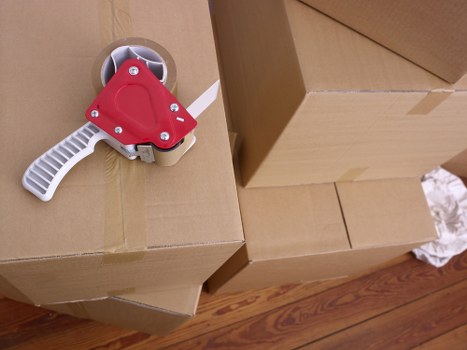
Quotation requests are easier to prepare when the move is described in practical terms. A clear list of items, whether packing is needed, the pickup and delivery floor levels, and any access issues gives a stronger basis for a quote than a vague estimate. Our pricing and quotes page is the natural place to look if you want to compare the information needed for a quotation and understand which details are most relevant to the work.
Several factors can affect the final cost of a man with van move: the volume of the load, the weight and shape of the items, how far they need to be carried, the distance travelled, and the time required for loading and unloading. If there are more stops, more handling steps or items that need to be dismantled, that can also influence how the job is planned. A well-prepared enquiry helps keep the quotation accurate and practical.
Use the information you already have to make the request simpler. Photos of bulky furniture, a rough inventory and notes about parking or access can be enough to start the process. If you are ready, request a quotation today. For service standards and practical safeguards, see our insurance and safety information before you book.
Safety, Standards and a Clear Enquiry
Moving items safely is a matter of routine care, not dramatic claims. Good handling reduces the risk of scratches, knocks and unnecessary strain, especially when furniture has sharp corners or when boxes contain fragile contents. Our work is guided by sensible lifting, considered loading and attention to how the load sits in the vehicle. That approach matters as much on a short local job as it does on a longer move.
When you are preparing to enquire, the most helpful details are usually the most concrete ones: what needs moving, from where to where, and what makes the access easy or difficult. You do not need to write a long brief, but a little structure helps. If the job involves commercial contents or a mix of large and small items, say so clearly so the right service can be matched to it.
To finish, choose the page that best matches the type of move you are arranging, then send your details and ask for a quotation. If your enquiry is simple, mention the main items first. If it is more complex, include the pieces that need special handling and note any time constraints. Contact us when you are ready to discuss the work in more detail.